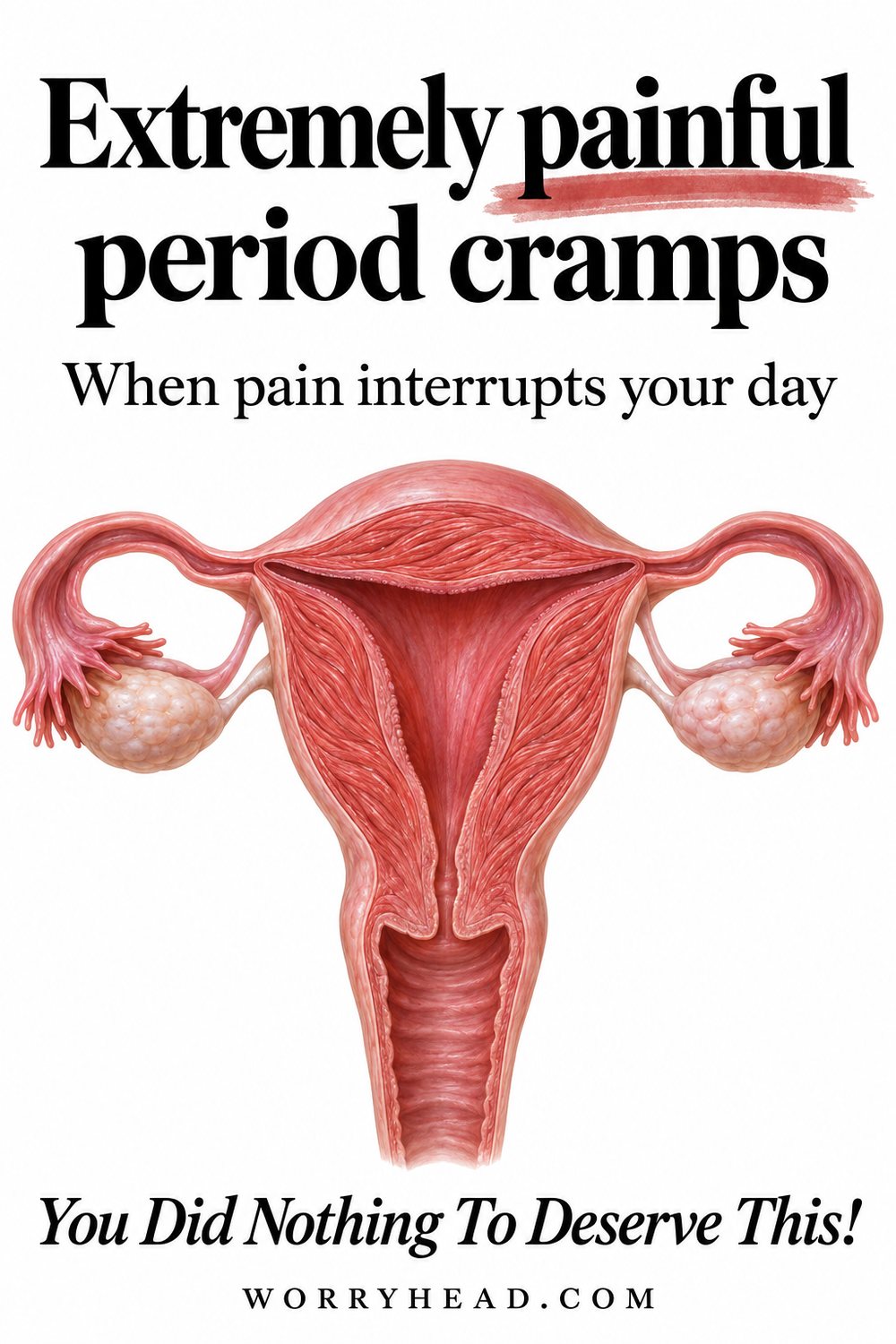
Extremely Painful Period Cramps: How Can a Partner Help? (Last updated 19 November 2026)
What do you do when the person you love is doubled over with extremely painful period cramps and the things you usually say sound terribly small? If you’re the one in pain, you may be tired of trying to find the right words while someone waits for instructions. I wrote this for both of you, from the side of the bed where I could get up and go about my day while my wife couldn’t.
Extremely painful period cramps that interrupt daily life deserve a GP review. Endometriosis is one possible cause. A partner can help by taking the pain seriously, handling practical tasks, and supporting a plan for care. Severe or unusual pain that persists despite painkillers needs urgent advice.
I’m a husband who started writing and researching because of my wife’s experience, and I’ve linked the NHS and NICE guidance I used below so you can distinguish their clinical advice from what I learnt beside her.
It helped me to understand how endometriosis can affect a period, especially when my wife’s pain began before the bleeding and carried on after I thought the worst had passed.
One thing I wish I’d understood sooner is that you don’t need to identify the cause before you can describe the impact. “I couldn’t sit through the bus ride to work” gives a doctor information that a number out of ten can miss.
M’s heavy bleeding was initially put down to polyps. When it continued after they were removed, the fact that the original explanation no longer fit mattered more than either of us knowing what the next diagnosis might be.
I want to tell you what happened next, and what I wish I’d known on the days when all I wanted was to make her feel better.
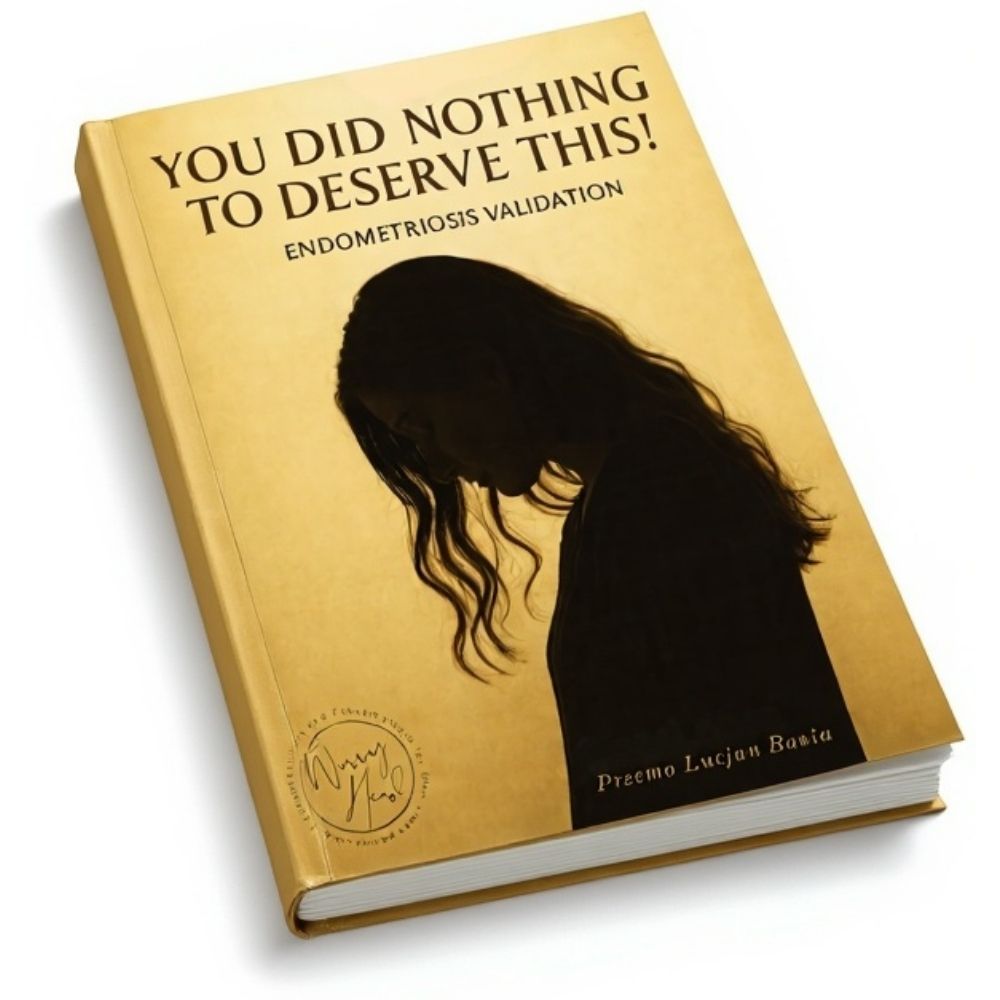
If you’ve had to explain why a painful period can cost you a day’s work or an evening you were looking forward to, my free endometriosis eBook, You Did Nothing To Deserve This!, is for you. You’re welcome to share it with someone who wants to understand.
You Did NOTHING To Deserve This!
Endometriosis Validation for Women with Endo
When Extremely Painful Period Cramps Interrupt Your Life
There’s a difference between knowing a period is due and knowing what it’s going to cost you. M might want to go dancing as much as I did and still have no idea whether she could manage the journey there. A date on a calendar told us very little about what she would be able to do.
Cramps can happen as the muscles of the womb tighten around the start of a period. The pain may also be felt in the lower back or thighs. Endometriosis is one possible explanation for severe pain. Adenomyosis, fibroids and pelvic infection are among the other causes a clinician may consider.
What first worried me about M wasn’t one particularly painful afternoon. It was the way the bleeding, digestive trouble and pain kept bringing her back for help without an explanation that accounted for them together. She was told some symptoms might be PMS or perimenopause, and her bowel symptoms took her to gastroenterology.
After the polyps were removed, she still bled heavily. She developed severe right-sided pain and anaemia. A gynaecologist at the PMS clinic requested another ultrasound, which showed an endometrioma on her right ovary. That finding led to a specialist endometriosis clinic, about five years after her symptoms began.
I wouldn’t want anyone reading our story to wait for that sequence of events. NICE advises clinicians to consider endometriosis when period pain gets in the way of daily life. If getting through your period means regularly missing school, work, sleep or meals, you already have something specific to take to a GP. The wider symptoms of endometriosis can help you put seemingly separate experiences into words.
Know When Help Is Urgent
If your period pain is severe or worse than usual and painkillers haven’t helped, the NHS advises asking for an urgent GP appointment or contacting NHS 111. Pelvic pain with a possible pregnancy also needs urgent advice, even if bleeding looks like a period. You can tell the call handler what has changed without guessing the cause.
There are situations where you should call 999 or go to A&E. NHS examples include severe or worsening pelvic pain, or pelvic pain with faintness, shoulder-tip pain, difficulty breathing or heavy vaginal bleeding. If you’re the partner, make the call if needed, give the address and describe what you can see. Someone who feels faint or seriously unwell should not have to drive themselves. The NHS pelvic pain guidance is linked below.
Make the Next Hour Easier
“Let me know if you need anything” sounds kind, but it can leave the person in pain managing both the cramps and the person offering help. Try a small choice instead. “Would you like the heat pad, or would you rather I sit here?” If she wants quiet, you can still answer the door or cancel a booking.
For familiar cramps, the NHS suggests options such as warmth or gentle movement if comfortable. Wrap a hot-water bottle before putting it against skin. If you’re fetching medicine, bring the packet and check what she’s already taken. A pharmacist can help with suitability and interactions, particularly if she has another condition or takes other medicines. A remedy that helped on a different day is no reason to put off urgent help today.
Keep a Useful Pain Record
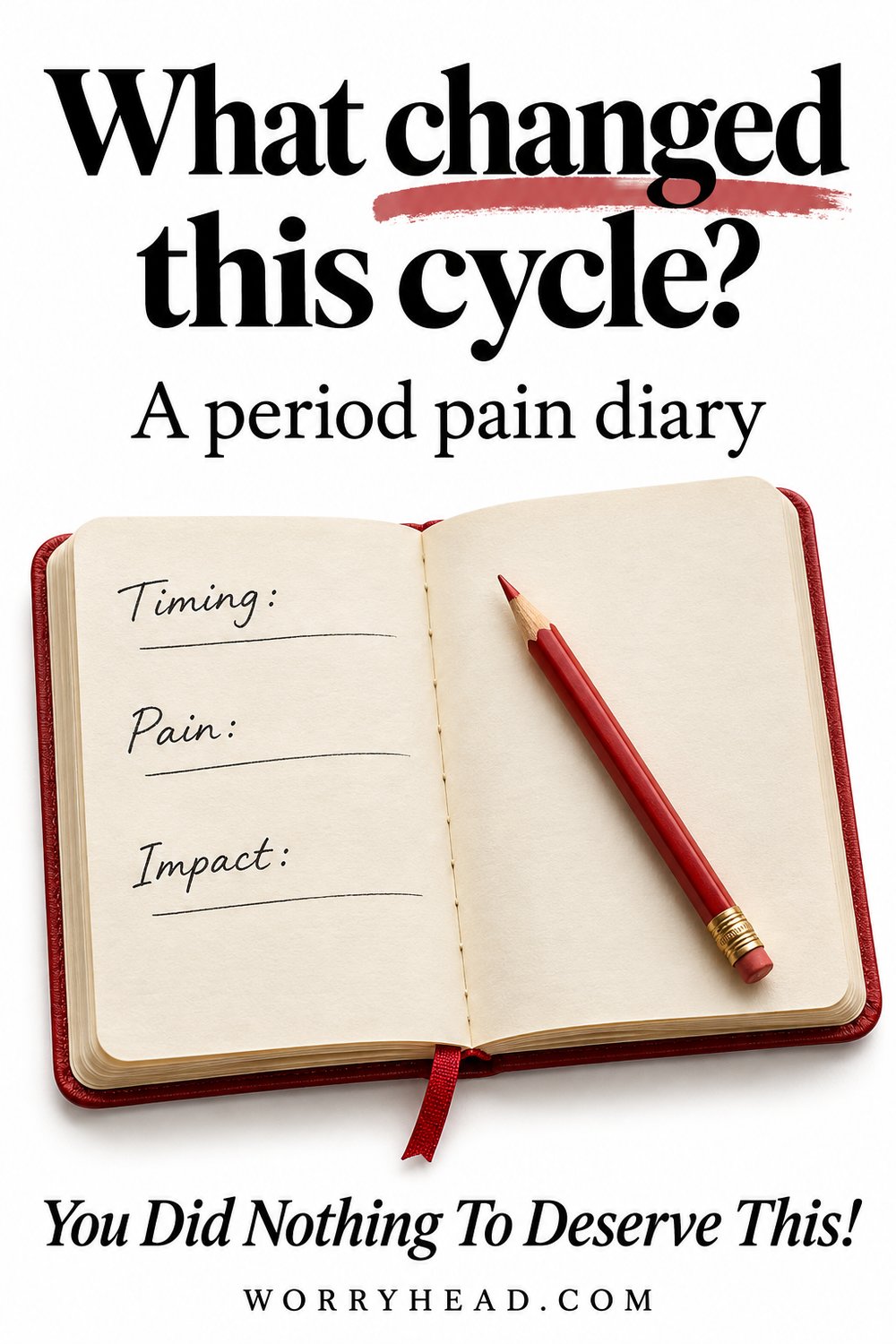
Start with the last difficult day. Write when the cramps began in relation to the bleeding, where they were felt, how long they lasted and what they stopped you doing. If opening your bowels or passing urine hurt around the same time, include that. Finish with what you tried and whether it made enough difference to sleep, eat or move about.
You might write, “The pain began the night before my period. I left work before lunch. The heat helped my back but I still couldn’t sit comfortably.” That’s an example, not M’s diary. One accurate entry is more useful than a week reconstructed from guesses. If you’re helping your partner keep notes, ask if she wants you to write while she speaks. Let her decide what goes to the appointment. You can book the appointment before the diary is complete.
Ask What the Scan Can Show
When the scan picked up M’s endometrioma, it gave her team a reason to refer her to a specialist. Someone else can have disabling pain and a scan that looks normal. Ultrasound can identify ovarian endometriomas and some deep disease, but a normal result cannot exclude endometriosis. It’s worth asking what the result explains and what the plan is for symptoms it leaves unanswered.
NICE recommends offering a transvaginal ultrasound when endometriosis is suspected, even if examination is normal. If you decline that scan or it’s unsuitable, an abdominal ultrasound can be considered. Assessment, symptom relief and referral can proceed alongside one another. A laparoscopy is one option a specialist may discuss if symptoms persist. You can ask about the likely benefit, risks and alternatives before deciding. If the terminology is unfamiliar, my guide to the basics of endometriosis explains the condition in everyday language.
Make Room for Changed Plans
M and I both love to dance. I used to talk about the competitions and evenings out we could enjoy after surgery. I meant it as encouragement. She heard a list of things she might disappoint me by being unable to do. Realising that was uncomfortable, because the person setting the expectation was me.
If you have tickets for Friday, agree beforehand who will cancel and what you’ll say. “We can’t make tonight, but thank you for inviting us” is enough. Your partner gets to decide how much anyone hears about her period. If she wants company at home, give the evening some thought of your own. And if she wants to sleep, take care of the messages without asking her to reassure everyone first.
Supporting Her After the Worst Cramps Ease
Four months after M’s excision surgery, her pain was milder than before, yet she still felt it around ovulation, before her period and during it. Her lower back and pelvis could go into spasm, and her digestion remained difficult. She worried that feeling familiar pain meant the disease had already returned.
Her specialist talked to her about recovery and other possible reasons for her symptoms. That conversation brought some reassurance without pretending anyone could tell the cause from the sensation alone. If symptoms return, persist or change after treatment, tell your own team what has changed and how it affects you. New or severe pelvic pain still deserves attention even if you already have a diagnosis.
Cramps also changed how we approached touch. Before we understood why sex hurt M, I wondered whether I was doing something wrong and she felt guilty about saying no. A partner can take a weight off that conversation by stopping as soon as something hurts and asking what closeness, if any, feels comfortable today. A hug, a hand held or an uninterrupted night’s sleep can each be a kind answer.
Conclusion on Extremely Painful Period Cramps
When I first wrote this in 2019, I dedicated it to the husbands and partners trying to help someone they love through a painful period. I still think about the difference between our two positions. I could close the laptop when I’d had enough of reading about endometriosis. M couldn’t put her symptoms down for the evening. Whatever I learnt was only useful if it made something easier for her.
One of the most useful things a partner can do takes place at the front door. If she’s decided she needs help, find the keys, check how you’re getting there and bring the things she asks for. If she wants you in the appointment, agree beforehand whether she’d like you to speak. It can feel very different to hear “Would you like me to mention what happened on Sunday?” than to have someone take over telling your story.
At home, try asking about the part of the day you didn’t see. Somebody who managed a shift may have spent the journey home wondering how to get from the bus stop to the front door. Somebody who made it to dinner may have quietly decided to miss the next two invitations because sitting through that one hurt. Leave enough quiet after your question for an honest answer, including “I don’t feel like talking about it tonight.”
For M and me, one of the hardest parts was the fear that things we loved would steadily disappear. Dancing meant a great deal to both of us. It was tempting to treat getting back onto the dance floor as the measure of recovery. That didn’t leave much room to appreciate an evening when she could enjoy the music but needed to sit down. I can be pleased to share that evening with her without asking when she’ll manage more.
If you’re the one living with the cramps, you can ask for something wonderfully ordinary. Someone else can sort out supper, remember what you wanted to tell the GP, or sit nearby without looking at you every few minutes to see whether you’re better yet. Being specific is an option when you have the energy. On the days you don’t, the people who know you can still offer help.
And if you’re the partner who got it wrong yesterday, there’s something you can do about it today. Name the thing you misunderstood. Tell her you realise she wanted you to cancel the plan, or listen, or take a change in her pain seriously. Then do that thing the next time it matters. Of all the promises I could make M, that’s one I can actually keep.
Related Questions You May Be Asking About Extremely Painful Period Cramps
1. Can you have extremely painful period cramps without endometriosis?
Yes. Some people have severe menstrual cramps without an underlying pelvic condition. Other possible causes include adenomyosis, fibroids or pelvic infection. What matters when you ask for help is the pattern and how it affects you. If cramps repeatedly interrupt everyday life, a GP can assess the possible causes and discuss treatment.
2. Should I wait for my next period to start a pain diary?
You can start with the most recent episode you remember. Record what you’re sure about, including whether bleeding had begun, where the pain was and what you had to stop doing. Add details as they happen next time. There’s no need to wait for another cycle before seeking help for pain that concerns you.
3. Can a normal ultrasound explain why I still have cramps?
A normal scan can be reassuring about some possible causes, but it may leave the reason for your cramps unresolved. Endometriosis can still be present. Tell your GP if pain continues to disrupt your day and ask about symptom relief, follow-up and whether referral to a gynaecology service is appropriate for you.
4. What if my cramps ease but the heavy bleeding carries on?
Tell your GP about the bleeding in its own right, including changes to your usual flow and any tiredness or breathlessness. M’s bleeding continued after her polyps were treated, and she developed anaemia. If you currently have pelvic pain with heavy vaginal bleeding or feel faint with pelvic pain, seek emergency help.
5. How can I support my partner if she wants to go to the appointment alone?
Ask what would make the trip easier. She may appreciate a lift, a lift home only, or a short note of something she asked you to remember. Agree how she wants to get in touch afterwards and what she’s comfortable sharing. Taking her preferences seriously is one practical way to support her.
Extremely Painful Period Cramps References
- NHS: Period pain
- NHS: Pelvic pain and when to get urgent help
- NICE: Endometriosis diagnosis and management (NG73), recommendations


About Me
Hi, I’m Lucjan! The reason why I decided to create this blog was my beautiful wife, who experienced a lot of pain in life, but also the lack of information about endometriosis and fibromyalgia for men…
READ MORE
Grab a FREE eBook!
“You Did NOTHING To Deserve This!”
Finally hear the words nobody ever said to you, that your pain is real, your tears make sense, and you did nothing to deserve endometriosis, the dismissal, or the way it has rewritten your life.
